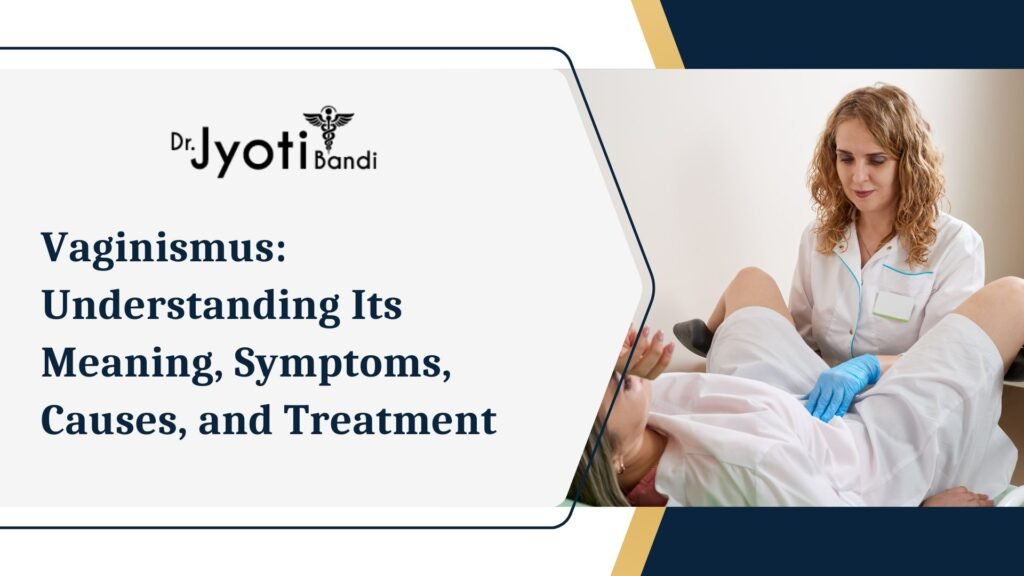
Vaginismus is a disorder where the muscles around the vagina contract against their will thus causing pain during vaginal penetrations, complications and in some cases impossible. It may impact women of all ages and even disrupt sexual intercourse, gynecological check-ups, and even using tampons. The condition is not very widely treated as most women delay or refuse treatment assuming that the pain is normal even though it is prevalent. Nevertheless, in reality, it is possible to treat vaginismus, and early diagnosis may significantly improve the quality of life.
It is typically treated with pelvic floor physiotherapy, counseling as necessary, relaxation methods, vaginal dilator therapy and education regarding pelvic floor action. Women experiencing vaginismus may benefit from specialized pelvic floor treatment in Bangalore, including pelvic floor physiotherapy, relaxation techniques, and advanced rehabilitation options. In other scenarios, there is the possibility of recommending advanced types of pelvic floor strengthening like the Kegel Chair therapy as a component of overall rehabilitation on a case-by-case basis.
What Is Vaginismus?
A pelvic floor is a set of muscles that hold the bladder, uterus, bowel and reproductive organs. These are involved in the relaxation of these muscles during penetration of the vagina and tightening when necessary to control the bladder and bowel.
Vaginismus involves the automatic tightening of pelvic floor muscles upon attempted penetration that occurs in women with this condition. This spasm is determined unconsciously and is not related to any conscious actions and is usually accompanied by pain, discomfort, or outright inability to allow penetration.
The condition may be:
-
Primary vaginismus, where penetration has never been possible.
-
Secondary vaginismus, where pain develops after a period of previously comfortable intercourse due to childbirth, surgery, menopause, infections, or other pelvic conditions.
The severity differs with a great range. Others have mild discomfort at the time and others are severely affected with the muscles tightening that makes penetration impossible.
Common Symptoms of Vaginismus
Each individual woman has different symptoms, however, in most cases, these symptoms encompass:
-
Pain during sexual intercourse
-
Difficulty or inability to insert tampons
-
Pain during gynecological examinations
-
Involuntary tightening of vaginal muscles
-
Burning or stinging sensation during penetration
-
Fear or anxiety before intercourse
-
Avoidance of intimacy because of pain
A gynecologist or pelvic floor specialist should always examine these symptoms to ascertain diagnosis and exclude other conditions of the body.
What Causes Vaginismus?
There is rarely a single cause. Rather, vaginismus is normally caused by a complex of physical and psychological reasons.
Common causes include:
-
Fear of painful intercourse
-
Previous painful sexual experiences
-
Childbirth-related injuries
-
Pelvic surgery
-
Vaginal infections
-
Menopause-related hormonal changes
-
Anxiety or chronic stress
-
Relationship concerns
-
Pelvic floor muscle dysfunction
In some cases, there may be no apparent reason, and a more thorough diagnosis of a particular case is significant.
How Is Vaginismus Diagnosed?
The diagnosis starts with symptoms and the history of diseases in a thorough discussion. A gentle pelvic examination can be conducted in case the patient feels comfortable but the examination can be delayed in case of extreme pain or muscle tightening.
Doctors may also evaluate for:
-
Vaginal infections
-
Skin disorders
-
Hormonal changes
-
Endometriosis
-
Pelvic inflammatory disease
-
Other causes of chronic pelvic pain
Accurate diagnosis helps ensure the most appropriate treatment plan.
Can Kegel Chair Therapy Help?
Kegel Chair is a non-invasive therapy that involves a High-Intensity Focused Electromagnetic (HIFEM) technology to stimulate the pelvic floor muscles. The patient sits in a comfortable state on a special chair during treatment, with full clothes, which provides thousands of controlled contractions of the muscles.
Although Kegel Chair therapy is not a cure for vaginismus, it may support pelvic floor rehabilitation in selected patients by improving overall muscle awareness and coordination.
Potential benefits may include:
Improved Pelvic Muscle Awareness
A lot of women cannot locate and manage their pelvic floor muscles. A higher level of neuromuscular awareness can assist patients to be more actively involved in a course of pelvic floor physiotherapy.
Better Muscle Coordination
The healthy pelvic floor muscles should be capable of contracting, as well as relaxing. Individual therapy can be used to enhance muscle coordination in the presence of rehabilitation exercises under supervision.
Enhanced Pelvic Circulation
An enhanced blood supply of the pelvic area can help keep the tissues healthy and ensure that other treatment options prescribed by the health care professionals are complemented.
Support for Comprehensive Treatment
Kegel Chair treatment can be applied in combination with pelvic floor physiotherapy, breathing exercises, counseling, and vaginal dilator therapy as a component of an individual treatment.
It is also necessary to add that other treatments that are often necessary to women whose pelvic muscle tightness is excessive should be relaxation-based therapy, and only after that, strengthening exercises can be conducted.
Lifestyle Tips That May Help
These healthy habits, along with professional treatment, can aid in recovery:
-
Practice relaxation techniques regularly.
-
Adhere to exercises by your pelvic physiotherapist.
-
Do not force penetrate when it is painful.
-
Be open with your partner.
-
Deal with stress by using yoga, meditation or counseling.
-
Attend regular follow-up appointments.
Recovery often takes time, but many women experience significant improvement with consistent treatment.
Conclusion
Vaginismus is a widespread but misconceived disorder that can affect the physical, emotional and sexual health. Painful penetration brought on by involuntary tightening of the pelvic floor muscles can be treated, although there are effective remedies. Seeking professional pelvic floor treatment in Bangalore can help women receive a personalized approach for managing vaginismus symptoms.
Pelvic floor physiotherapy, counseling, relaxation methods, and medical care continue to be the key to the treatment. Kegel Chair therapy could be a non-invasive intervention, which could be used to enhance the body awareness and co-ordination of pelvic floor muscles in a selected patient group. When you develop a consistent pain during penetration or when you think that you have vaginismus, then visit a competent gynecologist or pelvic floor specialist to have a condition diagnosed and individual treatment put in place.
FAQ
Vaginismus is an uncontrolled contraction of the pelvic floor in reaction to vaginal penetration resulting in pain or pain during penetration.
It could be caused by dysfunction of the pelvic floor, past experiences of pain, the birth process, infections, menopause, anxiety or a combination of both physical and emotional aspects.
Yes. The majority of women get better when they receive pelvic floor physiotherapy, counseling, vaginal dilator therapy and other customized therapy.
No. It is a supportive treatment that can enhance pelvic floor muscle activities as a component of a more broader treatment.
The treatment of Kegel Chair is normally painless. The patients tend to experience intense contractions of the muscles during the session.
In case of the continuous pain during sexual intercourse, inability to insert tampons, painful pelvic examinations, visit a gynecologist or pelvic floor specialist.