How Long Do Menopause Symptoms Last? | Dr. Jyoti Bandi | Best Gynecologist in HSR Layout
How Long Do Menopause Symptoms Last? | Dr. Jyoti Bandi | Best Gynecologist in HSR Layout is one of the most common questions women ask when approaching their late 40s and early 50s. Menopause is a natural biological process marking the end of menstrual cycles, but the symptoms that come with it can vary greatly from woman to woman. Understanding how long these symptoms last and how to manage them effectively can help women transition smoothly into this new phase of life.
Menopause officially occurs when a woman has not had a period for 12 consecutive months. However, symptoms often begin during perimenopause — the phase leading up to menopause — which can start 4 to 10 years earlier. During this time, hormone levels, especially estrogen, begin to fluctuate, causing various physical and emotional changes.
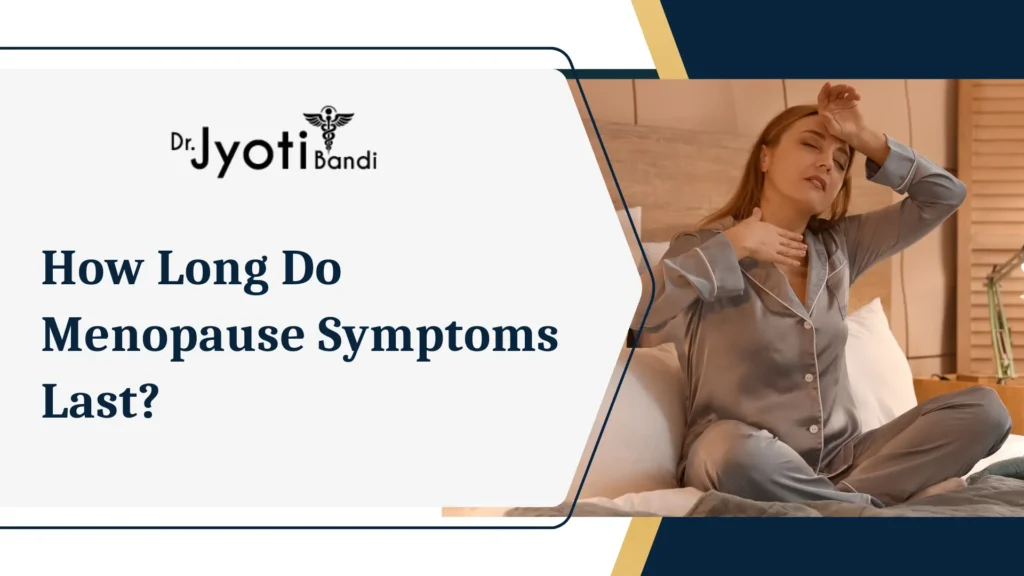
Common Menopause Symptoms
Some of the most common menopause symptoms include:
- Hot flashes and night sweats
- Mood swings and anxiety
- Irregular periods
- Sleep disturbances
- Vaginal dryness
- Weight gain and slowed metabolism
- Fatigue and difficulty concentrating
These symptoms can range from mild to severe depending on lifestyle, genetics, and overall health.
How Long Do Symptoms Typically Last?
On average, menopause symptoms last 4 to 7 years, but for some women, they may continue for up to 10 years or more. Hot flashes, one of the most common symptoms, usually last about 7 years, though some women experience them longer.
Perimenopause symptoms can start years before menopause and gradually taper off after menopause. Postmenopause is the phase after menopause where hormone levels stabilize, and most symptoms slowly reduce or disappear — though vaginal dryness and bone density loss may continue without proper care.
Factors That Affect Symptom Duration
Several factors influence how long menopause symptoms last:
- Genetics – Family history plays a major role
- Smoking – Can worsen symptoms and shorten estrogen levels faster
- Stress levels – Higher stress often intensifies symptoms
- Diet and exercise habits – Healthy lifestyles reduce severity
Regular checkups with a gynecologist can help monitor hormonal health and manage symptoms effectively.
When Should You See a Gynecologist?
If menopause symptoms interfere with your daily life, sleep, or mental well-being, it’s important to consult a specialist. A gynecologist can offer personalized treatment options such as lifestyle guidance, hormone therapy (if appropriate), supplements, and symptom management strategies.
Women in and around HSR Layout can benefit from expert care from Dr. Jyoti Bandi, known for providing compassionate and advanced gynecological care tailored to each patient’s needs.
Frequently Asked Questions (FAQs)
1. At what age does menopause usually start?
Most women experience menopause between the ages of 45 and 55, with the average being around 51.
2. Can menopause symptoms last for more than 10 years?
Yes, in some cases symptoms like hot flashes and mood changes can last over a decade, though intensity usually decreases over time.
3. Are menopause symptoms the same for every woman?
No, symptoms vary widely — some women have mild discomfort while others experience severe symptoms.
4. Can lifestyle changes reduce menopause symptoms?
Absolutely. Regular exercise, a balanced diet, stress management, and avoiding smoking can significantly ease symptoms.
5. Is treatment necessary for menopause symptoms?
Not always, but medical guidance can greatly improve quality of life if symptoms are severe or persistent.