Can Menopause Affect Your Sex Life? | Dr. Jyoti Bandi Explains | Best IVF Specialist in HSR Layout
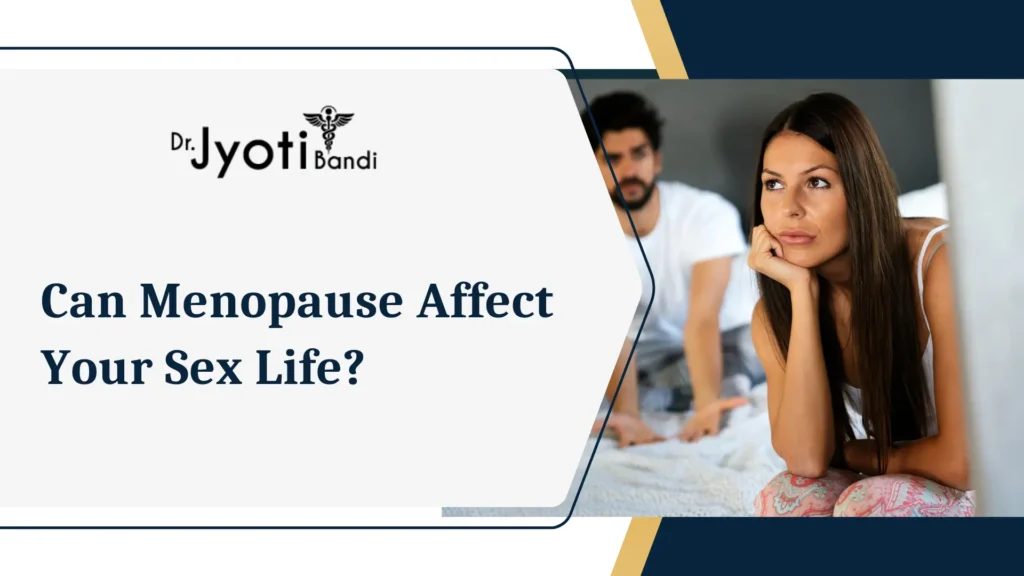
Menopause is a natural phase in a woman’s life, but the changes it brings—especially to intimacy—are often not talked about openly. Many women experience concerns related to desire, comfort, and emotional connection during this transition. According to Dr. Jyoti Bandi, Best IVF Specialist in HSR Layout, understanding what happens during menopause can help women take control of their sexual health and overall well-being.
Understanding Menopause and Hormonal Changes
Menopause typically occurs between the ages of 45 and 55 and marks the end of menstrual cycles. During this time, estrogen and progesterone levels decline significantly. These hormonal shifts affect not just reproductive health but also vaginal tissues, mood, sleep, and energy levels—all of which play an important role in sexual life.
Lower estrogen can lead to thinning and dryness of the vaginal walls, reduced blood flow, and decreased elasticity. As a result, many women may experience discomfort or pain during intercourse, which can naturally reduce interest in sexual activity.
How Menopause Impacts Sexual Desire
A common concern during menopause is reduced libido. Hormonal imbalance, fatigue, stress, and emotional changes can all contribute to a lower sex drive. Additionally, symptoms such as hot flashes, night sweats, and poor sleep may leave women feeling exhausted or irritable, further affecting intimacy.
It’s important to understand that reduced desire is not a reflection of personal failure or loss of femininity—it’s a biological and emotional response to change.
Emotional and Psychological Factors
Menopause doesn’t only affect the body; it can also influence self-esteem and emotional health. Changes in body shape, weight gain, or skin texture may impact confidence. Anxiety about aging or discomfort during intimacy can create mental barriers to a healthy sex life.
Open communication with your partner and healthcare provider can significantly reduce these concerns and help rebuild emotional closeness.
Treatments and Solutions Available
The good news is that menopause-related sexual issues are manageable. Treatments may include:
- Hormone replacement therapy (HRT) when medically appropriate
- Vaginal moisturizers and lubricants to reduce dryness
- Pelvic floor therapy to improve comfort and muscle strength
- Lifestyle changes such as exercise, stress management, and balanced nutrition
Consulting a specialist helps identify the safest and most effective approach for each individual.
When to Seek Medical Advice
If menopause symptoms begin to affect your quality of life or relationships, consult the Best IVF specialist in HSR Layout for professional guidance. Early intervention can prevent symptoms from worsening and help women enjoy a healthy, fulfilling intimate life even after menopause.
Final Thoughts
Menopause is a new chapter—not the end of intimacy. With the right medical support, awareness, and open conversations, women can continue to enjoy emotional and physical closeness. Expert guidance from specialists like Dr. Jyoti Bandi can make this transition smoother and more empowering.
Frequently Asked Questions (FAQs)
1. Can menopause completely stop sexual desire?
No. While libido may decrease due to hormonal changes, sexual desire does not disappear permanently and can improve with proper treatment and support.
2. Is pain during intercourse common after menopause?
Yes, vaginal dryness and thinning tissues can cause discomfort, but effective treatments are available to relieve this.
3. Can hormone therapy improve sex life during menopause?
For some women, hormone therapy can significantly improve vaginal health and libido, but it should only be taken under medical supervision.
4. Does menopause affect emotional intimacy too?
Yes, mood changes and reduced confidence can impact emotional closeness, making communication and support essential.
5. When should I consult a specialist for menopause-related sexual issues?
If symptoms affect daily life, relationships, or emotional well-being, it’s best to consult a qualified gynecologist or fertility specialist early.