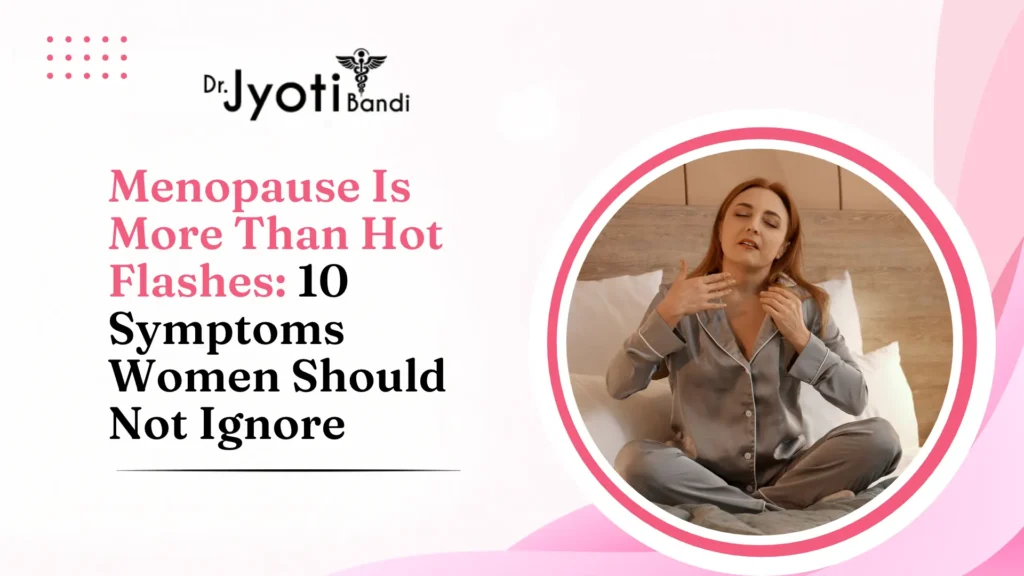
Menopause is a natural stage of life, but the changes it brings can affect much more than body temperature. Many women experience sleep disturbances, mood changes, vaginal dryness, and other symptoms that can interfere with everyday activities. While hot flashes are widely recognized, several other symptoms often go unnoticed or are mistaken for normal ageing or stress. Understanding these changes can help women seek appropriate care at the right time. Consulting a Menopause Clinic in HSR Layout can help women understand their symptoms, explore suitable treatment options, and navigate this transition with greater confidence.
1. Irregular Periods
Changes in menstrual cycles are often among the first signs of perimenopause. Periods may become lighter, heavier, shorter, or less predictable. However, unusually heavy bleeding, bleeding between periods, or bleeding after menopause requires medical evaluation.
2. Sleep Problems
Many women experience difficulty falling asleep, frequent awakenings, or waking earlier than usual during menopause. Night sweats and hormonal changes may contribute to disrupted sleep. Persistent sleep problems can affect concentration, mood, and daily productivity.
3. Mood Swings and Irritability
Hormonal fluctuations, poor sleep, and life changes may contribute to increased irritability, anxiety, or mood swings. These experiences are not simply personal shortcomings. If emotional changes persist or interfere with relationships and everyday life, professional support may help.
4. Brain Fog and Memory Difficulties
Some women report forgetfulness, difficulty concentrating, or trouble finding words during the menopause transition. Sleep disruption and stress may contribute to these experiences. Sudden confusion or rapidly worsening cognitive symptoms should not automatically be attributed to menopause and need prompt assessment.
5. Vaginal Dryness and Discomfort
Declining oestrogen levels can cause vaginal tissues to become drier and less elastic. This may lead to itching, irritation, discomfort during sex, or small amounts of bleeding after intercourse. Vaginal moisturisers, lubricants, and prescription treatments may help, depending on individual needs.
6. Urinary Changes
Menopause can contribute to urinary urgency, frequent urination, discomfort, and increased susceptibility to urinary tract infections. These symptoms may be associated with genitourinary syndrome of menopause. Painful urination, fever, or blood in the urine requires medical evaluation rather than assuming menopause is responsible.
7. Joint Pain and Muscle Aches
Some women notice stiffness, aching joints, or muscle discomfort during the menopause transition. Changes in activity, sleep, and other health factors can also contribute. Persistent pain, swelling, or restricted movement should be evaluated to identify the underlying cause.
8. Changes in Sexual Desire
Sexual desire may increase, decrease, or fluctuate during menopause. Hormonal changes, vaginal discomfort, stress, relationship factors, and sleep quality can all influence intimacy. Open conversations with a healthcare professional can help women explore practical solutions without embarrassment.
9. Heart Palpitations
Some women experience a racing, pounding, or fluttering heartbeat during perimenopause. Hot flashes, anxiety, and hormonal changes may contribute, but palpitations can also have other causes. Seek urgent medical attention for palpitations accompanied by chest pain, fainting, or severe breathlessness.
10. Changes in Skin and Hair
Lower oestrogen levels can contribute to drier skin, changes in skin elasticity, and hair thinning. Thyroid conditions, nutritional deficiencies, and other factors may produce similar symptoms. Sudden or significant hair loss deserves assessment instead of being automatically blamed on menopause.
Menopause symptoms vary from person to person, and not every symptom requires the same treatment. A healthcare professional can review your medical history, symptoms, and individual risk factors before recommending suitable care.
Seek prompt medical advice for unusually heavy bleeding. Any bleeding after menopause, which is defined as 12 months without a menstrual period, should be evaluated. Chest pain, fainting, or severe breathlessness requires emergency care.
Conclusion
Menopause affects women differently, and its symptoms can extend well beyond hot flashes. Recognising changes in sleep, mood, memory, urinary health, sexual comfort, and physical wellbeing can help women seek support before symptoms significantly affect daily life. Women should not feel they must tolerate persistent discomfort in silence. Visiting a Menopause Clinic in HSR Layout can provide an opportunity to discuss concerns, understand available treatment options, and develop an individualised care plan with a qualified healthcare professional. With appropriate guidance, women can approach this life stage with better information, confidence, and support.
FAQ’s
Menopause symptoms include hot flashes, night sweats, irregular periods, sleep difficulties, mood changes, vaginal dryness, joint discomfort, and concentration problems.
Menopause typically occurs between ages 45 and 55, although individual timing varies depending on genetics, medical history, and other health factors.
Symptoms may last several years, with duration varying considerably between women depending on symptom type, severity, health, and individual circumstances.
Yes, hormonal changes and disrupted sleep may contribute to anxiety, irritability, low mood, and concentration difficulties during the menopause transition.
No, hormone therapy depends on symptoms, medical history, personal risks, and preferences, requiring an individual assessment by a qualified healthcare professional.