Vaginal changes can occur due to childbirth, ageing, hormonal changes, or natural changes in pelvic tissues. Some women may notice changes in vaginal laxity, comfort, or intimate wellness and explore available treatment options. Vaginoplasty Surgery in HSR Layout is one approach that may be considered depending on individual concerns, while laser vaginal tightening offers a non-surgical alternative. Understanding how these treatments differ can help women discuss suitable options with a qualified healthcare professional.
Vaginoplasty is a surgical procedure designed to reconstruct or tighten vaginal tissues. Depending on the individual’s anatomy and treatment goals, the procedure may involve removing excess tissue and repairing or tightening underlying vaginal muscles.
Because it is a surgical treatment, vaginoplasty requires medical assessment, appropriate preparation, and a recovery period. The exact surgical technique depends on the patient’s anatomy, symptoms, and clinical requirements. Vaginoplasty should not be considered simply as a cosmetic procedure without proper evaluation. A healthcare professional can determine whether surgery is appropriate and discuss realistic expectations.
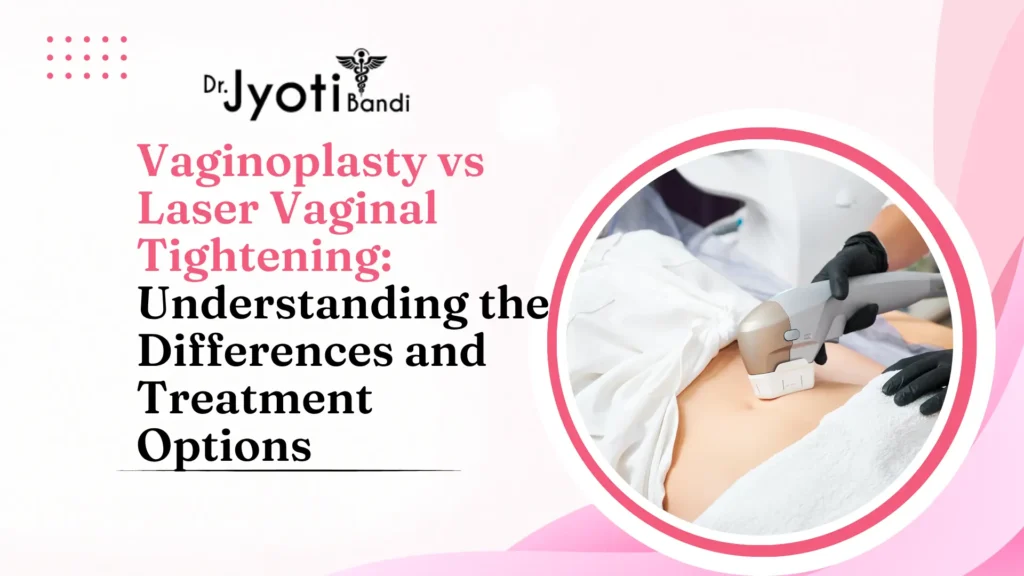
Laser vaginal tightening is a non-surgical treatment that uses controlled laser energy to stimulate changes in vaginal tissues. It is designed to encourage tissue remodelling and may be considered for certain vaginal wellness concerns.
Unlike vaginoplasty, laser treatment does not involve surgical cutting or removal of vaginal tissue. The treatment approach, number of sessions, and expected results can vary depending on the technology used and individual circumstances. Women considering laser treatment should have their symptoms evaluated before proceeding, particularly when they experience pain, bleeding, urinary symptoms, or other persistent concerns.
The key difference between these approaches is that vaginoplasty is surgical, while laser vaginal tightening is non-surgical.
Vaginoplasty
Involves surgical treatment
May involve tissue repair or removal
Requires anaesthesia depending on the procedure
Requires postoperative recovery
Results and suitability depend on individual anatomy
Requires detailed preoperative and postoperative care
Laser Vaginal Tightening
Uses laser energy rather than conventional surgery
Does not involve surgical incisions
Generally involves a treatment session rather than an operation
Recovery requirements may be limited
Multiple sessions may sometimes be recommended
Results can vary between individuals
Neither treatment is automatically suitable for every woman. The appropriate option depends on the underlying concern, medical history, physical examination, and treatment goals.
Vaginoplasty may be considered by women who have specific vaginal structural concerns or significant changes following childbirth or other circumstances. However, surgery should only be considered after a proper medical assessment. A healthcare professional may discuss alternative treatments when surgery is unnecessary or when symptoms can be addressed through other approaches.
Laser vaginal treatments may be considered by women looking for a non-surgical approach to certain vaginal wellness concerns. However, treatment suitability depends on individual health and the specific technology being offered.
It is important to understand that laser treatment is not a universal solution for every vaginal concern. A professional assessment can help identify the actual cause of symptoms and determine appropriate treatment.
Recovery differs significantly between the two approaches. Since vaginoplasty is surgery, patients may need a longer recovery period and specific postoperative instructions.
Laser treatment generally does not involve the same surgical recovery process. However, patients should still follow the provider’s instructions regarding activities, sexual intercourse, hygiene, and follow-up.
Most importantly, women should have realistic expectations. Treatment outcomes can vary, and vaginal wellness concerns may sometimes require a combination of approaches.
Conclusion
Vaginoplasty and laser vaginal tightening are different treatment approaches, with one involving surgery and the other using non-surgical laser technology. The right option depends on individual anatomy, symptoms, health history, and expectations. If you are considering Vaginoplasty Surgery in HSR Layout, consulting a qualified healthcare professional can help you understand whether surgery or another treatment approach is appropriate for your needs.
FAQ’s
Yes, vaginoplasty is a surgical procedure that may involve tightening, repairing, or reconstructing vaginal tissues based on individual needs.
Yes, laser vaginal tightening is a non-surgical treatment that uses controlled laser energy to stimulate changes within vaginal tissues.
Treatment longevity varies considerably and depends on individual factors, surgical technique, technology used, healing, and ongoing vaginal health.
Yes, vaginoplasty generally requires surgical recovery, while laser treatment usually involves less downtime and different post-treatment precautions.
Dr. Jyoti Bandi provides personalized consultation and guidance for women considering vaginal wellness treatments, helping them understand suitable options based on individual needs.