
Pregnancy and childbirth can place considerable stress on the pelvic-floor muscles. After delivery, some women experience urine leakage, reduced pelvic strength, or difficulty controlling their bladder during everyday activities. While pelvic-floor exercises can support recovery, some women may need additional options. Emsella Chair Treatment in HSR Layout is a non-invasive pelvic-floor therapy that uses electromagnetic stimulation to produce repeated muscle contractions and support pelvic-floor strengthening.
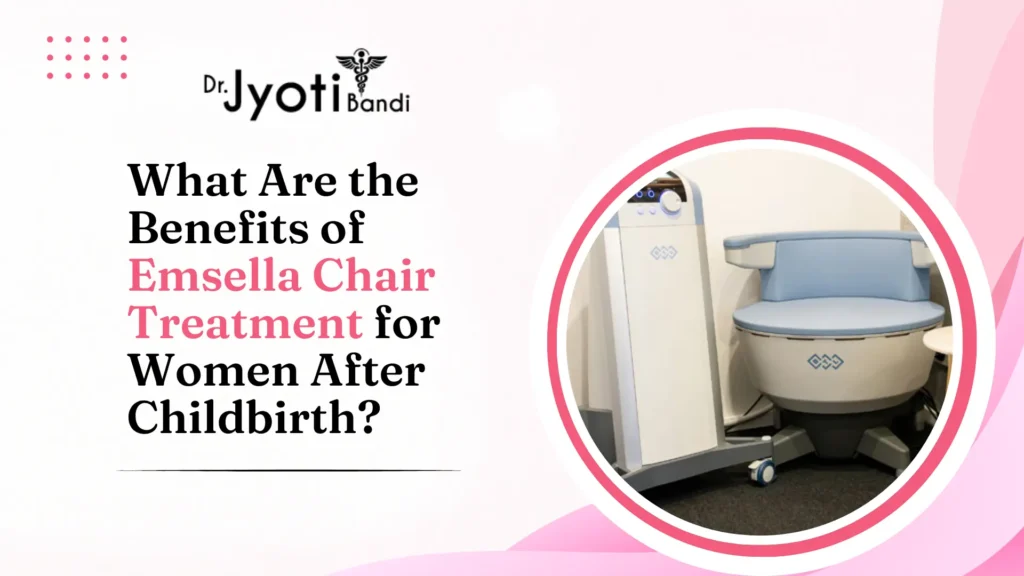
The Emsella Chair, also known as a HIFEM chair, is designed to stimulate the pelvic-floor muscles through electromagnetic energy. During treatment, women remain fully clothed while sitting on the chair.
The treatment produces repeated pelvic-floor contractions, providing an intensive muscle workout without conventional exercise. According to Dr. Jyoti Bandi’s clinic, sessions take approximately 30 minutes and are designed for pelvic-floor strengthening and bladder-control concerns.
During pregnancy, the growing uterus places additional pressure on the pelvic floor. Vaginal delivery can further stretch the pelvic muscles and supporting tissues.
Some women recover naturally, while others may continue experiencing:
- Urine leakage while coughing, sneezing, or exercising
- Reduced pelvic-floor strength
- Frequent or urgent urination
- Changes in vaginal muscle tone
- Reduced confidence after childbirth
The severity and duration of symptoms vary between women, making individual assessment important.
1. Supports Pelvic-Floor Muscle Strength
Emsella Chair therapy stimulates repeated pelvic-floor contractions, which may help women who experience weakened muscles following pregnancy and childbirth.
2. May Improve Bladder Control
Pelvic-floor weakness can contribute to stress urinary incontinence and accidental urine leakage. Strengthening these muscles may help improve bladder control in suitable patients.
3. Supports Postpartum Pelvic Recovery
Some women find it difficult to perform pelvic-floor exercises consistently after childbirth. Emsella provides muscle stimulation while the patient remains comfortably seated. It may be considered as part of a broader postpartum pelvic-floor rehabilitation plan.
4. Non-Surgical Treatment Option
Emsella Chair therapy does not involve incisions, needles, or surgery. This can make it an option for women who prefer a non-surgical approach to pelvic-floor strengthening.
5. Short Treatment Sessions
A typical session takes around 30 minutes. Since there is generally no recovery period associated with the treatment, women can return to their regular activities afterward.
6. May Support Intimate Wellness
Improving pelvic-floor muscle strength may support vaginal muscle tone and overall pelvic health. Some women may also notice improvements in confidence and intimate wellbeing. However, results can vary depending on individual pelvic-floor condition and treatment response.
No. Postpartum pelvic-floor symptoms can have different causes, and Emsella treatment may not be appropriate for everyone.
A gynecological assessment can help determine whether your symptoms are primarily related to pelvic-floor weakness. Depending on the findings, your doctor may recommend pelvic-floor exercises, physiotherapy, Emsella therapy, or another treatment approach. It is also important to consider your stage of postpartum recovery before starting any treatment.
The number of sessions depends on individual symptoms, pelvic-floor strength, and treatment goals. Dr. Jyoti Bandi’s clinic commonly recommends a course of six sessions, although the treatment plan may vary between patients. Your doctor can explain the recommended schedule and whether maintenance sessions may be appropriate.
At DYU Healthcare, Emsella Chair therapy is considered as part of a personalised approach to postpartum pelvic-floor care. A gynecological assessment can help determine whether pelvic-floor weakness is contributing to concerns such as urine leakage or reduced muscle strength and whether Emsella may be suitable.
Conclusion
Pelvic-floor weakness after childbirth can affect bladder control, pelvic strength, and intimate wellbeing. Emsella Chair therapy offers a non-surgical approach that stimulates the pelvic-floor muscles and may support recovery in appropriately selected women.
If you are exploring Emsella Chair Treatment in HSR Layout, Dr. Jyoti Bandi can evaluate your concerns and guide you towards a suitable pelvic-floor treatment plan based on your individual needs.
FAQ’s
It may help strengthen weakened pelvic-floor muscles and support bladder control in women experiencing suitable postpartum pelvic-floor concerns.
Treatment is generally designed to be comfortable. Women experience repeated pelvic-floor contractions while remaining seated during the treatment session.
A typical session lasts around 30 minutes, allowing women to remain fully clothed and resume normal activities afterward.
It may help improve pelvic-floor strength and bladder control when urinary leakage is associated with pelvic-floor muscle weakness.
Yes. Emsella Chair therapy is non-invasive and does not involve incisions, needles, or anaesthesia during treatment.