Childbirth and pregnancy place a great deal of strain on the body of the woman but more so on the pelvic floor muscles. Being extended throughout the entire term of pregnancy in order to support the developing baby, such muscles are also strained more in vaginal birth. Consequently, this causes a lot of pelvic floor weakness in many women who have delivered babies, which makes them leak urine, have a lack of core strength, heaviness of the pelvis and discomfort on an everyday basis.
Despite the occurrence of natural healing, there is a need to strengthen the lower abdominal muscles after childbirth as part of the postpartum rehabilitation process. Opting for Pelvic Floor Treatment in Bangalore can support postpartum recovery by helping women regain muscle strength, improve function, and enhance overall well-being. Restoration of muscle tone, improved bladder control and long-term pelvic health can be achieved by pelvic floor exercises and good lifestyle choices, and recommendations can be given by a medical professional.
What Are the Pelvic Floor Muscles?
Pelvic floor is the set of muscles and connective tissues which is situated at the lower part of the pelvis. These are muscles which help in supporting the bladder, the uterus, bowel and the vagina and also helps in control of urination, bowel and sexual functions. They use the abdominal as well as the back as well in stabilizing the core that shapes up the body.
These muscles continue to be pressured because of the maturing weight of the baby when one gets pregnant. They may also be further strained or weakened in childbirth particularly during vaginal delivery and thus postpartum strengthening becomes necessary.
Why Do Pelvic Floor Muscles Weaken After Delivery?
Pelvic floor weakness following childbirth is due to a number of factors, including:
-
Vaginal delivery
-
Prolonged or difficult labor
-
Delivery using forceps or vacuum assistance
-
Twin or multiple births
-
Pregnancy-related hormonal changes
-
Aging
Signs of Weak Pelvic Floor Muscles
Symptoms which most women are able to observe which may be those in the weeks or months following birth are:
-
Frequent urge to urinate
-
Feeling of heaviness or pressure in the pelvis
-
Lower back discomfort
-
Reduced core strength
-
Pain or discomfort during intercourse
Also, these are common postpartum symptoms but they cannot be disregarded when they occur.
Why Is Pelvic Floor Strengthening Important?
Pelvic floor muscle training aids normal functioning and during postpartum.
Improves Bladder Control
Among the largest advantages it is decreasing stress urinary incontinence. Strong pelvic floor muscles are strong to avoid leakages of urine during lifting, coughing, or other activities which occur in everyday activities.
Supports Pelvic Organs
The bladder, uterus, and bowel can be better supported by the healthy muscles of the pelvic floor preventing the later prolapse of these organs.
Restores Core Strength
The pelvic floor which later works together with the abdominal and back muscles is beneficial in stabilizing the body. These muscles are trained that improves posture, balance, and physical activity.
Enhances Sexual Health
The better muscle tone of the pelvis can potentially cause increased comfort during intercourse and enhanced sexual functioning during the postpartum period.
How to Strengthen Pelvic Floor Muscles After Delivery
Perform Kegel Exercises
Kegel exercises include narrowing the muscles which are applied to prevent the flow of urine and maintaining contraction for several seconds and then releasing. Such exercises are to be performed periodically without the necessity to urinate during the exercises.
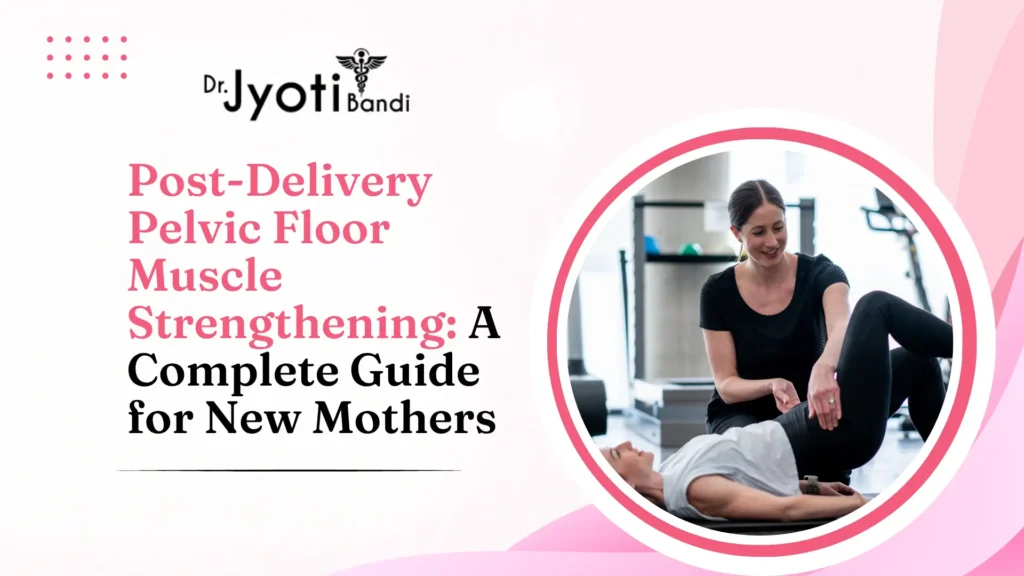
Work with a Pelvic Floor Physiotherapist
Persistent symptoms of menstrual diseases may benefit from guided pelvic floor rehabilitation for women. Strength of the muscles can be assessed, and particular exercises prescribed by a physiotherapist.
Practice Deep Breathing
Diaphragmatic breathing assists in relaxing the pelvic floor and equalization of core and pelvic floor muscle to improve the performance of the muscle in recovery.
Stay Physically Active
Medium intense activities and exercises recommended after child birth increase blood circulation, development of muscles that support and general healing.
Maintain a Healthy Weight
Heavy weight puts pressure to the pelvic floor. Strains on these muscles can be minimized by gradual postpartum weight management.
When Should You Start Pelvic Floor Exercises?
Many women can do the gentle pelvic floor exercises only days after having given birth and this is so long as they are comfortable and no difficulties have emerged. But women who had had considerable tears and/or surgery or any complications must consult their doctor on what time they should begin.
Several rigorous rehabilitation or physical exercise sessions are recommended only to start once the medical clearance is obtained.
When Should You See a Doctor?
Make an appointment with your healthcare provider when you have:
-
Urinary leakage that continues for several months
-
A feeling of tissue bulging from the vagina
-
Severe pelvic pain
-
Difficulty emptying the bladder
-
Persistent pain during intercourse
-
Symptoms that interfere with daily activities
The best long-term recovery can be achieved with early treatment.
Conclusion
The importance of the pelvic floor muscles can be explained by the fact that it is engaged during the control of the bladder, to support the pelvic organs, strength of the core, and well-being. The decreasing strength of these muscles is the natural process of pregnancy and delivery, but, special exercises to strengthen this muscle, can restore prepartum functions and improve postpartum recovery.
With the help of routine pelvic floor work-out, proper diet and timely medical consultations, most of the women will be able to regain the strength, reduce the urinary leakages and will be able to continue their day-to-day activities in a more comfortable and confident way. In case of persistence of symptoms or an impact on quality of life, a healthcare professional may recommend a tailored postpartum rehabilitation plan. Pelvic Floor Treatment in Bangalore can be a part of this personalized approach, helping address postpartum concerns and supporting recovery through targeted care and expert guidance.
FAQ
Pregnancy and birth weaken and undermine the strength and the backing of the pelvic floor muscles.
After several days after delivery, the majority of women will be well to start doing mild exercises albeit you need to consult your doctor.
The majority of the practitioners in healthcare advise that they should be carried out on a daily basis using correct technique and instructions.
Yes. The bladder can be brought under control and the urine leakage decreasing by increasing the mass of pelvic floor muscles.
Yes. Even pregnancy is a stress on the pelvic floor and, therefore, if we exercise the muscles, this can be beneficial.