From PCOS to PMOS: A New Era in Women’s Hormonal Health | PMOS Treatment in HSR Layout
The recent redesignation of Polycystic Ovary Syndrome (PCOS) to Polyendocrine Metabolic Ovarian Syndrome (PMOS) has been a significant breakthrough in women healthcare and reproductive medicine. It is more than a mere change in medical terminology, it is a more accurate and a more profound realization of a condition that afflicts millions of women globally.
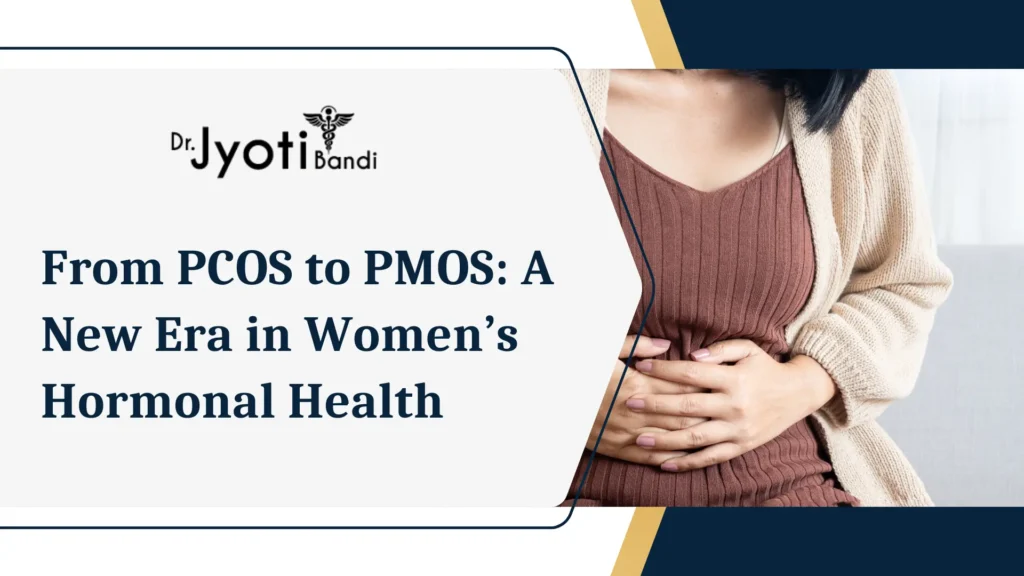
PCOS has long been a misconceived disease that was associated with ovarian cysts only. As a matter of fact, most women who are diagnosed of PCOS may not necessarily have ovarian cysts and those who do are affected by multiple hormonal and metabolic problems that extend way beyond the ovaries. The previous name tended to get a lot of patients confused and even resulted in delays in diagnosing and treating patients in most instances.
Polyendocrine Metabolic Ovarian Syndrome (PMOS) is a better name to give to the actual condition. It emphasizes that it is not only a gynecological problem, but also a multifaceted endocrine and metabolic one, which may affect various systems in the body. Women who have PMOS might report irregular menstrual cycles, infertility, weight gain, insulin resistance, acne, excessive hair growth, hair fall, mood changes, stress, sleep disturbances and long-term metabolic risks include diabetes and cardiovascular complications.
I am an IVF specialist and I do highly support and encourage this international project headed by Monash University together with the international experts and women health organisations. Medically inclusive and scientifically accurate name can greatly enhance awareness, make women learn more about their symptoms, and take medical action earlier.
The major complication of PMOS is that the symptoms of the disease differ in women. Other women consult with irregular cycles, and others cannot get pregnant or experience inexplicable weight gain or chronic skin and hair issues. The condition also has a significant effect on both physical and emotional health, which leads to emotional stress, anxiety, low confidence, and mental fatigue in many women.
Unluckily, treatment methods have been focused on treating one symptom at a time. There are patients who are treated periodically and others who are treated periodically due to issues of fertility or to manage the acne. Nevertheless, PMOS cannot be successfully treated by a single-specialty mode since the condition, in its turn, impacts various dimensions of health at the same time.
We are convinced that at DYU Healthcare, PMOS management should be carried out in a 360-degree care model with hormonal balance, metabolic health, reproductive health, emotional well-being, and lifestyle considerations all combined. We are not only trying to control the symptoms, but also, to produce long-term health outcomes and enhance the quality of life of every woman.
Integrated care method is a combination of skills of various specialties, such as:
- Menstrual regulation, ovulation therapy, and reproductive health of the female reproductive system.
- IVF and fertility treatments to couples who have problems with conception.
- Physiotherapy and lifestyle instructions to aid hormone balance and physical health.
- Dermatology related to acne, pigmentation, excessive hair growth and fall problems.
- Nutrition and diet management aimed at weight management, insulin resistance, and metabolic management.
- Stress management support and emotional wellness, which is essential in hormonal wellness.
Lifestyle correction is also crucial in PMOS management. Exercise, healthy eating habits, getting enough sleep, eliminating stress, and maintaining weight can help a lot to adjust hormones and fertility. Very often, minor and sustainable changes in lifestyle can create the significant difference in the symptom reduction.
Another critical element of this PCOS to PMOS transition is awareness. Symptoms like irregular periods, unexpected weight gain or acne that persists are the ones that many women overlook by thinking that they are temporary or normal. By means of early diagnosis and timely treatment, long-term complications may be prevented and overall reproductive and metabolic health may be improved.
The transformation of PCOS into PMOS also helps in doing away with the myth that the problem is ovarian cysts. Instead, it will encourage healthcare providers and patients to highlight the broader hormonal and metabolic imbalance concerning the condition. Such a change has the potential to enhance communication, increase medical knowledge, and develop more individualized treatment solutions to women of various ages.
We as medical practitioners should teach, empower and counsel women at every level of their reproduction and hormonal health. A more intimate word will raise more consciousness and will lead to more open dialogues and make women feel that they are not misjudged due to their diagnosis.
The shift of PCOS to PMOS is more than just a matter of a change of terminology. It is a step forward in medical and patient education, and whole-person care. Most importantly, it acknowledges the real-life of the millions of women that have to endure this condition on a daily basis.
With the right awareness, early diagnosis, multidisciplinary treatment, and lifestyle changes, PMOS women can control their symptoms, enhance their fertility rates, and experience improved long-term hormonal and metabolic environment.
— Dr. Jyoti Bandi