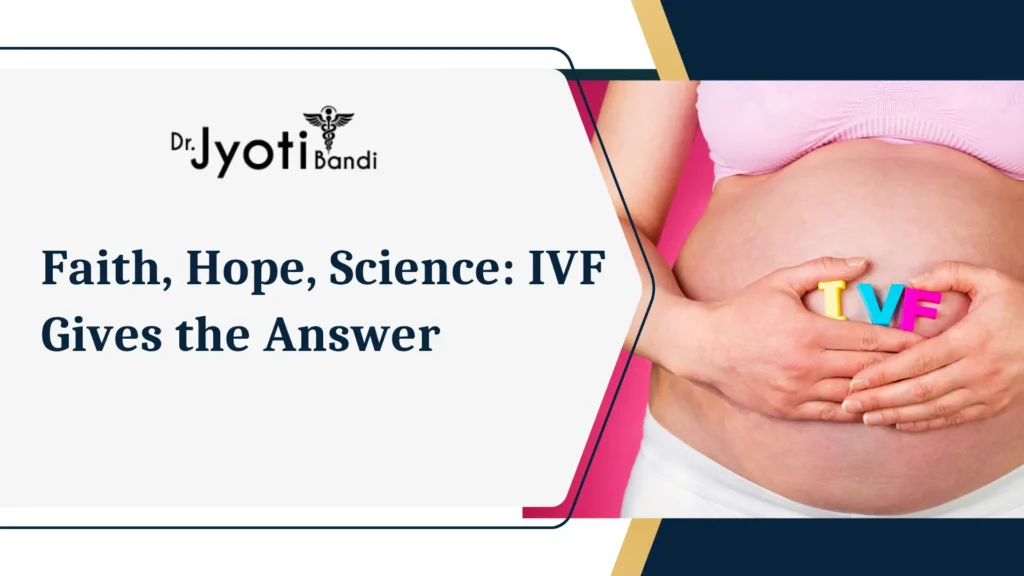
Faith, Hope, Science: IVF Gives the Answer | Best IVF Specialist in HSR Layout
Infertility can be an emotional journey for many couples who dream of becoming parents. With advancements in medical technology, treatments like In Vitro Fertilization (IVF) have brought new hope to families worldwide. At DYU Women & Child Care, couples looking for the Best IVF Specialist in HSR Layout can find compassionate care, advanced fertility treatments, and expert guidance throughout their parenthood journey.
Understanding IVF Treatment
In Vitro Fertilization (IVF) is one of the most effective assisted reproductive technologies used to help couples conceive. In this process, eggs are collected from the woman’s ovaries and fertilized with sperm in a laboratory. Once the embryo develops, it is carefully transferred into the uterus, increasing the chances of pregnancy.
IVF has transformed the lives of millions of couples who struggled with infertility due to various medical or unexplained reasons. With the help of the Best IVF Specialist in HSR Layout, couples can receive personalized treatment plans based on their medical history and fertility conditions.
Why IVF Is a Ray of Hope
IVF combines faith, hope, and science to make parenthood possible. Many couples who once believed pregnancy was impossible have successfully conceived through IVF.
Some of the key benefits of IVF include:
- Higher success rates compared to many other fertility treatments
- Ability to address multiple infertility issues
- Advanced embryo selection techniques
- Hope for couples with long-term infertility problems
Modern fertility centers use advanced technology and experienced specialists to maximize success rates while ensuring patient comfort and safety.
Common Causes of Infertility
Infertility can occur due to several medical or lifestyle factors affecting either partner. Identifying the root cause is essential before starting fertility treatment.
1. Ovulation Disorders
Irregular or absent ovulation can make it difficult for women to conceive. Conditions like PCOS (Polycystic Ovary Syndrome) often affect ovulation.
2. Fallopian Tube Blockage
Blocked or damaged fallopian tubes prevent the sperm from reaching the egg or the fertilized egg from reaching the uterus.
3. Male Factor Infertility
Low sperm count, poor sperm motility, or abnormal sperm shape can reduce the chances of natural conception.
4. Age-Related Fertility Decline
As women age, the number and quality of eggs decrease, which can affect fertility.
5. Unexplained Infertility
In some cases, couples may experience infertility without any clear medical reason. IVF can often help in such situations.
The IVF Treatment Process
The IVF process usually involves several carefully monitored steps:
- Ovarian Stimulation – Medications help stimulate the ovaries to produce multiple eggs.
- Egg Retrieval – Mature eggs are collected from the ovaries using a minor procedure.
- Fertilization – Eggs are combined with sperm in the laboratory to create embryos.
- Embryo Culture – The embryos are monitored for several days to select the healthiest ones.
- Embryo Transfer – A selected embryo is transferred into the uterus to achieve pregnancy.
With the support of skilled fertility specialists and modern technology, IVF continues to bring joy and hope to couples who long to start a family.
Frequently Asked Questions (FAQs)
1. What is IVF and how does it work?
IVF (In Vitro Fertilization) is a fertility treatment where eggs are fertilized with sperm in a laboratory and the resulting embryo is transferred into the uterus.
2. Who should consider IVF treatment?
Couples facing infertility due to blocked fallopian tubes, ovulation issues, male infertility, or unexplained infertility may benefit from IVF.
3. Is IVF treatment safe?
Yes, IVF is generally considered safe when performed by experienced fertility specialists in a well-equipped fertility clinic.
4. How long does an IVF cycle take?
A complete IVF cycle usually takes about 4–6 weeks, including ovarian stimulation, egg retrieval, fertilization, and embryo transfer.
5. What are the chances of success with IVF?
IVF success rates vary depending on factors such as age, medical conditions, and overall reproductive health, but modern techniques have significantly improved success rates.
Conclusion
Infertility can be challenging, but with the right medical support, the dream of parenthood can become a reality. IVF stands as a powerful combination of faith, hope, and science, helping couples overcome fertility challenges. Seeking guidance from experienced specialists and advanced fertility centers can significantly improve the chances of success and bring couples one step closer to welcoming their baby.