Early Signs of Premature Menopause | Dr. Jyoti Bandi | Best IVF Specialist in HSR Layout
Premature menopause is a condition where a woman experiences menopause before the age of 40. Many women are unaware of the early warning signs, which can delay proper diagnosis and treatment. Consulting an expert like Best IVF Specialist in HSR Layout can help women understand their reproductive health and take the right steps at the right time. With the guidance of specialists like Dr. Jyoti Bandi, women can identify symptoms early and explore treatment options to protect their fertility and overall well-being.
What is Premature Menopause?
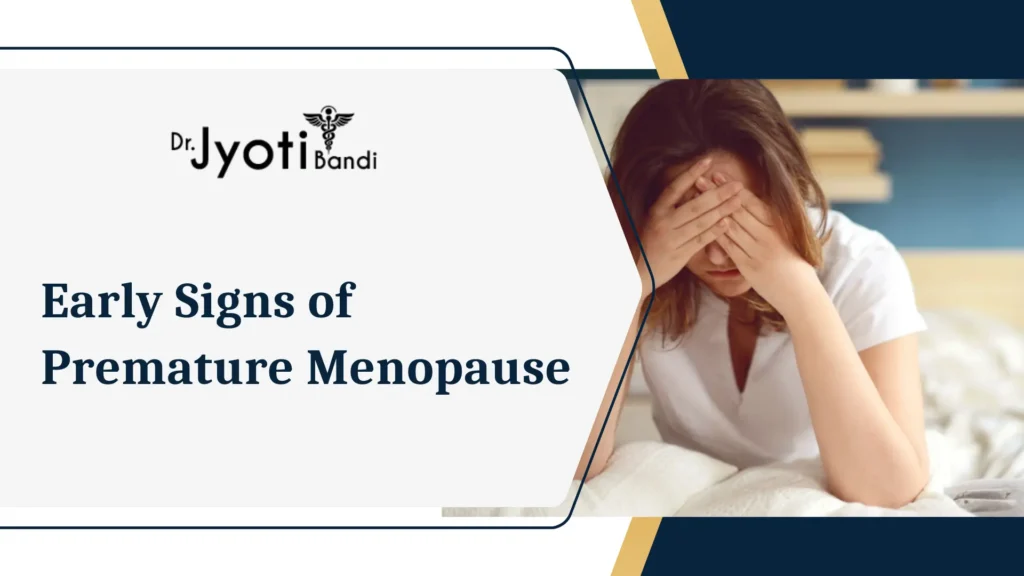
Menopause is a natural biological process that usually occurs between the ages of 45 and 55. However, when it occurs earlier than 40, it is called premature menopause or premature ovarian insufficiency (POI). This condition happens when the ovaries stop producing normal levels of reproductive hormones such as estrogen.
Premature menopause can affect fertility, emotional health, bone strength, and heart health. Early diagnosis and medical support are important to manage symptoms and prevent complications.
Early Signs of Premature Menopause
Recognizing the early signs can help women seek medical help sooner. Some of the most common symptoms include:
1. Irregular Periods
One of the earliest signs is a change in menstrual cycles. Periods may become irregular, lighter, or heavier before stopping completely.
2. Hot Flashes and Night Sweats
Sudden feelings of heat in the upper body, often accompanied by sweating and flushing, are common symptoms of declining estrogen levels.
3. Vaginal Dryness
Reduced estrogen can cause vaginal dryness, discomfort, and pain during intercourse.
4. Difficulty Conceiving
Women experiencing premature menopause may face challenges getting pregnant because of reduced ovarian function.
5. Mood Changes
Hormonal fluctuations can lead to mood swings, anxiety, irritability, or even depression.
6. Sleep Problems
Many women report insomnia or disturbed sleep patterns due to hormonal changes.
7. Reduced Libido
A decrease in sexual desire can also occur due to hormonal imbalance.
Causes of Premature Menopause
Several factors can contribute to premature menopause, including:
- Genetic conditions
- Autoimmune diseases
- Cancer treatments like chemotherapy or radiation
- Surgical removal of ovaries
- Unknown causes (in many cases)
Why Early Diagnosis Matters
Premature menopause not only affects fertility but can also increase the risk of osteoporosis, heart disease, and emotional stress. Early diagnosis allows doctors to recommend treatments such as hormone therapy, lifestyle changes, and fertility preservation options.
Women who wish to conceive may consider fertility treatments such as IVF or egg donation under the guidance of experienced fertility specialists.
Treatment and Management
Although premature menopause cannot always be reversed, symptoms can be managed effectively through:
- Hormone replacement therapy (HRT)
- Healthy lifestyle and balanced nutrition
- Regular medical check-ups
- Fertility treatments if pregnancy is desired
With the right medical support, women can maintain a good quality of life and make informed reproductive choices.
Conclusion
Premature menopause can be emotionally and physically challenging, but early recognition of symptoms can make a significant difference. If you notice changes in your menstrual cycle or experience symptoms such as hot flashes, mood changes, or difficulty conceiving, it is important to seek medical advice. Consulting the Best IVF Specialist in HSR Layout, Dr. Jyoti Bandi, can help you understand your condition and explore the best treatment options for your reproductive health.
Frequently Asked Questions (FAQs)
1. What age is considered premature menopause?
Premature menopause occurs when menopause happens before the age of 40.
2. Can a woman get pregnant after premature menopause?
Natural pregnancy becomes difficult, but assisted reproductive techniques like IVF may offer possibilities depending on individual cases.
3. What are the first signs of premature menopause?
Irregular periods, hot flashes, night sweats, mood swings, and difficulty conceiving are common early signs.
4. What causes premature menopause?
Genetic factors, autoimmune diseases, medical treatments like chemotherapy, and surgical removal of ovaries can lead to premature menopause.
5. How is premature menopause diagnosed?
Doctors usually diagnose it through medical history, physical examination, and hormone level tests such as FSH and estrogen levels.