Can Menopause Affect Your Mental Health? | Dr. Jyoti Bandi | Best IVF Doctor in HSR Layout
Can Menopause Affect Your Mental Health? | Dr. Jyoti Bandi | Best IVF Doctor in HSR Layout is an important question many women ask as they enter their 40s and 50s. Menopause is a natural biological phase, but the hormonal changes that occur during this time can significantly impact emotional and psychological well-being. Understanding these changes helps women seek timely support and maintain a better quality of life.
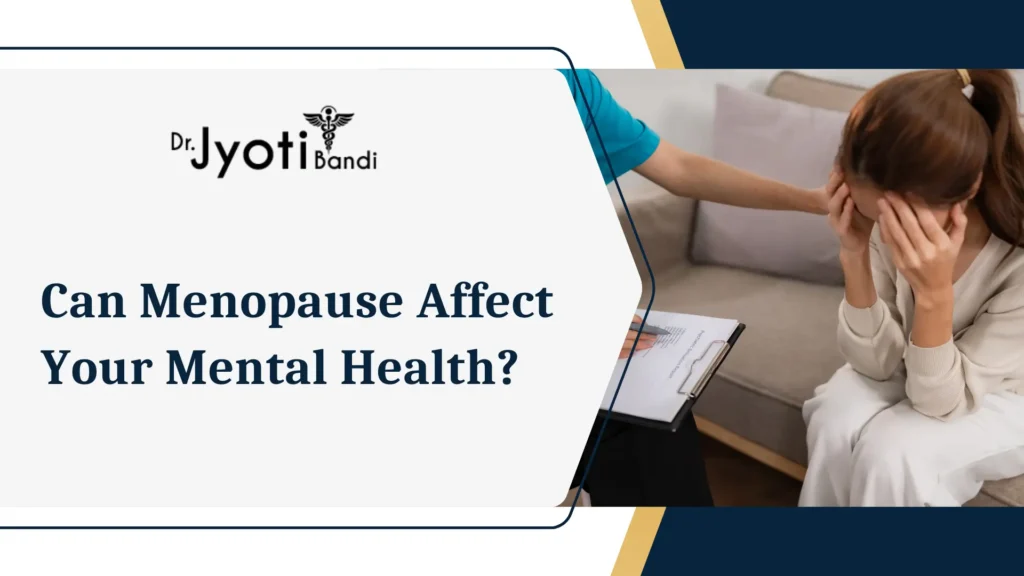
Menopause typically occurs between the ages of 45 and 55 and is marked by the end of menstrual cycles. During this phase, estrogen and progesterone levels decline, which can directly influence brain chemicals responsible for mood regulation, such as serotonin. As a result, many women experience emotional and mental health challenges alongside physical symptoms.
Common Mental Health Symptoms During Menopause
Mental health changes during menopause vary from woman to woman. Some of the most commonly reported symptoms include mood swings, anxiety, irritability, and feelings of sadness. Women may also experience difficulty concentrating, memory lapses (often called “brain fog”), and a general sense of emotional overwhelm.
Sleep disturbances are another major factor affecting mental health during menopause. Hot flashes and night sweats can disrupt sleep, leading to fatigue, low energy, and increased stress levels. Poor sleep over time can worsen anxiety and depressive symptoms.
Menopause and Depression
Research shows that women are more vulnerable to depression during the menopausal transition, and consulting a Best IVF Doctor in HSR Layout can help address hormonal imbalances, especially for women with a history of mood disorders. Hormonal fluctuations combined with life changes—such as aging parents, career stress, or empty nest syndrome—can further contribute to emotional distress.
It is important to note that depression during menopause is not a weakness or something to “push through.” It is a medical condition that deserves proper attention and care.
Managing Mental Health During Menopause
The good news is that menopausal mental health challenges are manageable. Lifestyle changes such as regular exercise, a balanced diet, proper sleep, and stress-reduction techniques like yoga or meditation can make a significant difference.
Medical support also plays a crucial role. Hormone Replacement Therapy (HRT), when appropriate, can help balance hormones and reduce both physical and emotional symptoms. Counseling or therapy may also help women navigate emotional changes more effectively.
Consulting a qualified specialist is essential. A compassionate and experienced doctor can assess symptoms holistically and create a personalized treatment plan.
When to Seek Help
If mood changes begin to interfere with daily life, relationships, or work, it’s important to seek medical advice. Early intervention can prevent symptoms from worsening and help women feel more in control during this transition.
Frequently Asked Questions (FAQs)
1. Can menopause cause anxiety and panic attacks?
Yes, hormonal fluctuations during menopause can trigger anxiety, restlessness, and even panic attacks in some women.
2. Is depression common during menopause?
Depression can occur during menopause, especially in women with a prior history of mental health issues or high stress levels.
3. How long do mental health symptoms last during menopause?
Symptoms can last a few months to several years, depending on hormonal changes, lifestyle, and treatment support.
4. Can hormone therapy help improve mood during menopause?
Yes, Hormone Replacement Therapy may help stabilize mood for some women, but it should be taken only under medical supervision.
5. When should I consult a doctor for menopausal mental health issues?
If emotional symptoms persist, worsen, or affect daily functioning, it’s best to consult a specialist promptly.